
Imagine wandering through a sprawling jungle only to stumble upon the remnants of a lost civilization. Ancient ruins hold secrets of the past that can make even the most seasoned traveler feel like Indiana Jones—minus the fedora and whip, of course. These awe-inspiring sites not only offer a glimpse into history but also provide a perfect backdrop for that Instagram shot you’ve been dreaming of.
Overview of Ancient Ruin Locations
Explorers often find ancient ruin locations steeped in history and mystery. Sites like Machu Picchu in Peru present stunning architecture and breathtaking views of the Andes Mountains. The ruins of Petra in Jordan showcase intricate rock-cut structures and an advanced water conduit system.
Archaeological discoveries reveal that ancient civilizations left impressive legacies. The Colosseum in Rome tells tales of gladiatorial battles and vast public spectacles. The Pyramids of Giza in Egypt stand as enduring symbols of ancient engineering prowess. Angkor Wat in Cambodia captures attention with its extensive temple complex and intricate carvings.
Tourists frequently seek these awe-inspiring locations for immersive experiences. Tikal in Guatemala offers insights into Mayan culture and extensive rainforest scenery. The Acropolis of Athens provides a glimpse into classical art and architecture, attracting visitors from around the world.
These ruin locations draw individuals interested in photography as well. Picturesque backdrops enhance social media feeds, making each site a prime spot for stunning imagery. Visitors share snapshots of their explorations, amplifying the allure of these historical treasures.
Documentation and research on ancient ruins serve an essential purpose. Preservation efforts help ensure these significant sites withstand the test of time. Engaging with the stories behind these ruins fosters a deeper understanding of humanity’s collective past. Each location stands as a testament to the creativity and resilience of civilizations long gone.
Types of Ancient Ruins
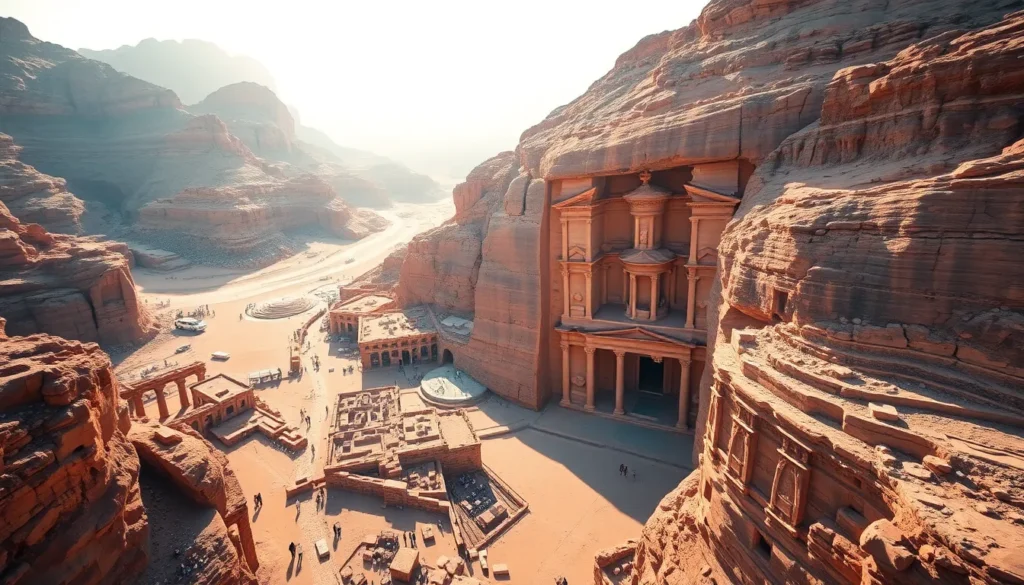
Various types of ancient ruins exist around the world, each offering insight into past civilizations. These structures fall into categories like archaeological sites and historical landmarks.
Archaeological Sites
Archaeological sites serve as essential portals to understanding ancient cultures. They often comprise remnants of buildings, artifacts, and burial sites, revealing how societies operated. Examples include Machu Picchu, where Inca ruins showcase advanced engineering techniques, and Tikal, which highlights Mayan urban planning. Excavation efforts at these locations provide invaluable information about agricultural practices, religious beliefs, and social structures. Exploration of these sites encourages appreciation for the complexity of ancient life while fostering ongoing research and preservation.
Historical Landmarks
Historical landmarks hold cultural and architectural significance. Structures like the Colosseum and the Pyramids of Giza attract millions each year, showcasing distinct styles and their historical contexts. Each landmark tells a story, reflecting the values and achievements of its era. Petra, with its intricate rock-cut architecture, exemplifies the ingenuity of the Nabataean civilization. The Acropolis of Athens emphasizes the philosophy and democracy of ancient Greece. Preservation of these sites is vital as they contribute to global heritage, inspiring future generations to learn from the past.
Notable Ancient Ruin Locations
Various ancient ruin locations capture the imagination of travelers and historians alike. These sites reflect the rich history and ingenuity of ancient civilizations.
Machu Picchu, Peru
Machu Picchu stands as a premier archaeological site, nestled in the Andes Mountains. Dating back to the 15th century, it remains a symbol of the Incan Empire’s achievements. Visitors explore terraced fields, stone structures, and temples that offer glimpses into ancient agricultural practices and religious rituals. UNESCO designated this site a World Heritage Site in 1983, ensuring its preservation. Photographers flock here for breathtaking views of the surrounding landscape, making it a must-see location.
Petra, Jordan
Petra, known as the Rose City, showcases stunning rock-cut architecture and water conduit systems that date to around 5th century BCE. Ancient Nabateans cultivated this site as a trading hub, linking the silk and spice trade routes. The iconic Al-Khazneh, or Treasury, features intricate facades that astound every visitor. UNESCO recognized Petra as a World Heritage Site in 1985, promoting its conservation. Tourists capture the enchanting atmosphere while exploring its narrow canyons and historic ruins.
Stonehenge, England
Stonehenge remains one of the most renowned prehistoric monuments in the world. Constructed between 3000 and 2000 BCE, its purpose continues to spark debate among archaeologists. Researchers suggest that it served as a ceremonial site, potentially aligned with astronomical events. This timeless site attracts millions each year, and extensive studies ensure its ongoing preservation. The surrounding landscape enhances photography and invites exploration, adding to its mystical allure.
Angkor Wat, Cambodia
Angkor Wat represents the largest religious monument globally, originally built in the early 12th century as a Hindu temple. Over time, it transitioned into a Buddhist site, showcasing intricate bas-reliefs and massive towers. The architectural mastery of Khmer builders is evident in its grand layout and elaborate carvings. UNESCO designated it a World Heritage Site in 1992, recognizing its cultural significance. Visitors marvel at the serene sunrise views, making it a favored destination for photographers and history enthusiasts alike.
Visiting Ancient Ruin Locations
Exploring ancient ruins offers a unique glimpse into history and adventure. Visitors immerse themselves in the stories and architecture that shaped civilizations.
Travel Tips
Planning a visit to ancient ruins involves several important considerations. Arriving early allows travelers to avoid crowds and fully appreciate the serene atmosphere. Wearing comfortable shoes aids those navigating uneven terrain typical of many sites. Guided tours provide insights and context, enhancing understanding of the ruins. Carrying water and snacks ensures hydration and energy during exploration. Respecting local customs keeps interactions positive and respectful, particularly in culturally rich areas. Researching entry requirements and hours of operation can save time and prevent disappointment.
Cultural Significance
Ancient ruins reflect the values and achievements of past civilizations. Each site serves as a testament to human creativity and resilience. Machu Picchu symbolizes Incan ingenuity in architecture and agriculture. The Colosseum represents Rome’s grandeur, showcasing entertainment and social dynamics of its time. Petra highlights Nabataean artistry through stunning rock façades. Angkor Wat reveals the spiritual depth and architectural sophistication of the Khmer Empire. Understanding these cultural contexts enriches one’s experience, fostering appreciation for humanity’s collective heritage. Such ruins inspire curiosity and respect, reminding visitors of the intricate tapestry of global history.
Exploring ancient ruins offers a unique glimpse into the past while satisfying the wanderlust of adventurous souls. These remarkable sites not only serve as breathtaking backdrops for photography but also invite deeper reflection on the achievements of past civilizations.
As travelers seek to connect with history, the importance of preservation becomes increasingly clear. Protecting these cultural treasures ensures future generations can appreciate their beauty and significance.
Visiting ancient ruins is more than just a journey; it’s an opportunity to engage with humanity’s shared heritage and inspire a greater understanding of the world. Each site tells a story waiting to be discovered, reminding us of the creativity and resilience of those who came before.


