
Imagine a world where islands aren’t just vacation spots but gateways to adventure. Archipelago exploration zones offer just that—a treasure trove of unique landscapes, cultures, and wildlife waiting to be discovered. From the vibrant coral reefs to the lush jungles, these regions are like nature’s amusement parks, minus the long lines and overpriced snacks.
Overview of Archipelago Exploration Zones
Archipelago exploration zones offer unique ecosystems, vibrant cultures, and breathtaking landscapes. These regions frequently attract adventurers seeking extraordinary experiences away from mainstream tourist spots. Exploration activities in these areas include snorkeling, diving, hiking, and cultural interactions.
Many archipelagos feature diverse wildlife, such as marine species, endemic birds, and unique flora. Memorable encounters with local wildlife enhance the exploration experience. Additionally, cultural heritage varies widely across different archipelagos, showcasing indigenous traditions, languages, and art forms.
Tour operators often facilitate guided tours through archipelagos, providing insights into local ecosystems and cultures. These guided experiences frequently include opportunities to participate in traditional fishing, cooking classes, or artisanal crafts. Traveling through multiple islands can expose visitors to various natural landscapes from volcanic mountains to pristine beaches.
Geographically, archipelago exploration zones are distributed globally, each offering distinct characteristics. Notable examples include the Galápagos Islands, with their unique biodiversity, and the Maldives, renowned for stunning coral reefs. These areas provide ample opportunities for discovery beyond recreational swimming or sunbathing.
Sustainability plays a vital role in preserving these zones. Conservation efforts focus on protecting indigenous species and habitats from tourism’s adverse effects. Responsible tourism practices encourage minimal environmental impact and enhance the longevity of archipelago exploration zones for future visitors.
Historical Significance
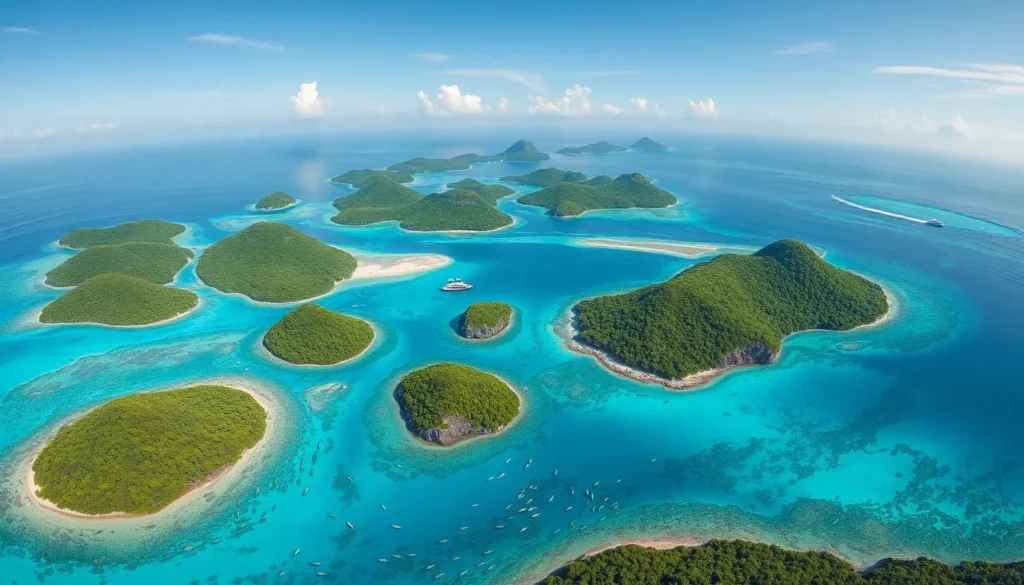
Archipelago exploration zones play a vital role in understanding maritime history and cultural interactions. These regions have witnessed numerous significant events that shaped human exploration.
Early Explorations
Explorers like Ferdinand Magellan were among the first Europeans to navigate archipelagos during the 16th century. They charted vast areas, uncovering new lands and expanding geographic knowledge. While the East Indies provided a wealth of resources, many explorers sought to connect trade routes. Curiosity led to encounters between diverse cultures, fostering exchanges that transformed societies across oceans. These early voyages laid the foundation for modern cartography and opened pathways for future expeditions.
Key Discoveries
Various significant discoveries originated from explorations of archipelago zones. The Galápagos Islands revealed unique species, inspiring Charles Darwin’s theory of evolution in the 19th century. Other notable findings include the natural wonders in Indonesia, where the biodiversity ranks among the richest in the world. Islands like the Maldives became crucial for maritime navigation, enhancing global trade. Each discovery not only contributed to scientific advancements but also underscored the importance of preservation in these delicate ecosystems.
Ecological Diversity
Archipelago exploration zones exhibit rich ecological diversity, showcasing unique ecosystems and a wealth of species. The combination of land and sea creates environments that thrive with life.
Unique Species
Unique species inhabit these regions, many found nowhere else on Earth. The Galápagos Islands feature the iconic Galápagos tortoise alongside marine iguanas. Endemic birds such as the Heermann’s gull and the blue-footed booby inhabit these islands, attracting birdwatchers. Coral reefs teem with colorful fish species, contributing to vibrant underwater landscapes. Mudskippers and various crustaceans thrive in tidal zones, highlighting adaptability in extreme habitats.
Conservation Efforts
Conservation efforts play a critical role in preserving these ecosystems. Organizations work to monitor endangered species and protect their habitats. Efforts focus on sustainable tourism practices that reduce human impact on delicate environments. Local communities often lead initiatives to establish marine protected areas, ensuring the safety of marine life. Education programs raise awareness about biodiversity and the importance of conservation. Regulatory frameworks enhance protection against overfishing and habitat destruction, fostering a sustainable balance between tourism and nature.
Technological Advancements
Technological advancements play a significant role in enhancing archipelago exploration zones. Tools and techniques have evolved, making exploration more efficient and insightful.
Exploration Techniques
Drones capture stunning aerial photographs, revealing otherwise hidden landscapes. Underwater robots assist researchers in studying marine life without disturbing delicate ecosystems. Advanced GPS systems provide accurate navigation, allowing explorers to chart precise locations and discover new islands. Remote sensing technology offers valuable data about topography and vegetation patterns. These techniques empower scientists and adventurers alike, expanding the horizons of knowledge and experience.
Data Collection and Analysis
Sophisticated software analyzes vast amounts of ecological data. Geographic Information Systems (GIS) visualize spatial data, highlighting biodiversity hotspots and trends in environmental changes. Satellite imagery aids in monitoring land use and detecting illicit activities, such as illegal fishing or deforestation. Real-time data collection devices, like buoys and sensors, gather information on ocean conditions, supporting climate research. Collectively, these innovations support sustainable management and conservation efforts within archipelago exploration zones.
Cultural Impact
Exploring archipelago zones significantly influences local cultures and economies. Cultural heritage thrives in these areas, driven by interactions between indigenous communities and visitors.
Indigenous Communities
Indigenous communities face the challenge of preserving their traditions while engaging with tourists. Their unique customs and languages enrich the cultural landscape of archipelagos. Visitors often participate in traditional activities, such as fishing and crafting, fostering an understanding of local lifestyles. In return, these experiences enhance community pride. Communities emphasize sustainable practices to maintain their environments and traditions. Participants in cultural exchanges gain deeper insights into the significance of local beliefs and practices. This mutual respect strengthens connections between indigenous peoples and travelers, promoting cultural appreciation.
Economic Opportunities
Economic opportunities arise as tourism increases in archipelago exploration zones. Local economies benefit from visitors seeking authentic experiences. Small businesses, such as eco-lodges and local markets, gain traction. Employment opportunities emerge in hospitality, guiding, and artisanal sectors, providing vital income. Many communities leverage their cultural assets to develop tourism packages that highlight their heritage. These initiatives empower locals economically while preserving their unique identities. Revenue generated helps fund conservation efforts and community projects, creating a sustainable cycle that supports both people and ecosystems.
Archipelago exploration zones offer a unique blend of adventure and cultural richness that captivates travelers. Their diverse ecosystems and vibrant local cultures create opportunities for unforgettable experiences. As awareness grows about the importance of sustainability, responsible tourism practices will play a vital role in preserving these remarkable areas for future generations.
The balance between exploration and conservation is essential. By embracing innovative technologies and fostering community engagement, visitors can contribute to the protection of these delicate environments. Ultimately, archipelago exploration zones stand as a testament to the beauty of nature and the resilience of cultures, inviting everyone to discover their wonders while ensuring their preservation.


