
Imagine a world where spices were worth their weight in gold, and cities thrived on the aroma of exotic flavors. The Eastern Spice Route cities were the playgrounds of traders, adventurers, and culinary enthusiasts long before Instagram made food photography a thing. These bustling hubs weren’t just about trading cinnamon and saffron; they were vibrant melting pots of culture, innovation, and yes, some seriously good food.
From the bustling markets of Samarkand to the serene shores of Malacca, each city tells a story steeped in history and flavor. Travelers flocked to these destinations, not just for the spices but for the rich tapestry of experiences they offered. So buckle up as we take a flavorful journey through the Eastern Spice Route cities, where every corner holds a pinch of history and a dash of adventure.
Overview of Eastern Spice Route Cities
Eastern Spice Route cities served as key trading centers from ancient times. Locations like Samarkand and Malacca exemplify the fusion of cultures driven by spice trade. These cities attracted merchants, scholars, and travelers seeking rare commodities. Trading routes connected diverse regions, contributing to each city’s growth and wealth.
Samarkand, once a pivotal point along the Silk Road, thrived through its markets and caravanserais. Historians often cite its stunning architecture and vibrant bazaars. Malacca emerged as a strategic port in Southeast Asia, facilitating trade between East and West. Its multicultural society reflected the myriad influences from global trade.
Other notable cities along the route included Hormuz and Calicut. Hormuz controlled the Strait of Hormuz, a vital juncture for maritime trade. Calicut, known for its spices, became a sought-after destination for European traders. Each city played a unique role in shaping regional economies and cultures.
Trade activities transformed these urban centers into cultural melting pots. Art, cuisine, and language flourished, creating rich legacies still evident today. Diverse customs and traditions emerged, showcasing the impact of cross-cultural exchanges among traders. This vibrant cultural heritage continues to attract visitors wanting to explore history beyond spices.
The Eastern Spice Route cities highlight the importance of trade and cultural interchange in shaping civilization. They remain prominent in discussions about historical trade networks. These cities not only served economic purposes but also enriched human experiences, making them significant in world history.
Historical Significance
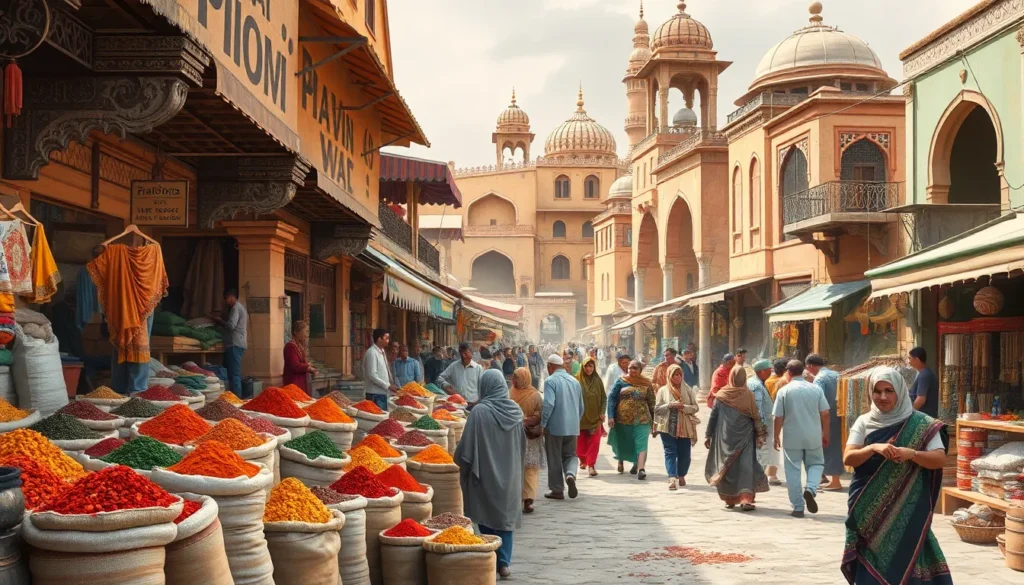
Eastern Spice Route cities played pivotal roles in shaping history through trade and cultural exchange. These urban centers not only flourished economically but also became vibrant hubs of diverse interactions.
Role in Trade
Cities along the Eastern Spice Route became vital trade nodes, facilitating the exchange of spices, textiles, and precious goods. Samarkand, positioned strategically on the Silk Road, emerged as a major marketplace, showcasing a variety of products. Malacca’s location allowed it to control trade routes between the East and West, attracting merchants from across the globe. Hormuz managed maritime trade, dominating the Persian Gulf’s spice exchange. Calicut developed into a primary port for European traders seeking access to the riches of the East, significantly impacting regional economies.
Cultural Exchange
Cultural exchange thrived in these cities due to their diverse populations and trade activities. Culinary traditions blended as merchants introduced new spices and cooking methods. Architectural styles reflected a fusion of influences, evident in the stunning designs of mosques and palaces. Language evolved as traders, travelers, and locals interacted, creating a rich tapestry of dialects. Art flourished with unique expressions inspired by various cultures, enriching local heritage. The legacy of these exchanges contributed to a greater understanding of global interconnectedness.
Key Eastern Spice Route Cities
Eastern Spice Route cities played crucial roles in trade and cultural exchange, significantly influencing regional economies and histories. Each of these urban centers offered unique characteristics that contributed to their importance in the spice trade.
City 1: Overview and Importance
Samarkand stands out as a key city in the Eastern Spice Route. Located along the Silk Road, it emerged as a major marketplace in ancient times. The city attracted traders from various regions, fostering a blend of cultures. Notable architectural wonders like the Registan Square reflect its rich history. As a vital center for the exchange of spices and textiles, Samarkand shaped the economic landscape of Central Asia.
City 2: Overview and Importance
Malacca serves as another significant city along the Eastern Spice Route. Situated strategically on the trade routes between East and West, it became a melting pot of cultures. Merchants flocked to Malacca, drawn by its vibrant port and bustling market. The city played a pivotal role in facilitating trade among diverse communities. Its influence on global commerce remains evident, particularly in its rich culinary heritage, influenced by numerous cultures.
City 3: Overview and Importance
Hormuz presents a vital maritime hub in the Persian Gulf. Controlling crucial trade routes, it played an essential role in the spice trade during the medieval period. The city attracted traders from multiple regions, allowing for the exchange of goods and ideas. Historical accounts emphasize its significance as a center for luxury items and spices. Hormuz’s strategic location ensured its prominence in global trade networks, shaping the economies around it.
Modern Influence of Eastern Spice Route Cities
Eastern Spice Route cities continue to shape global interactions today. Their historical roles as trade hubs have transitioned into vibrant destinations, rich with cultural experiences and economic significance.
Tourism and Economy
Tourism thrives in these historic cities, attracting millions of visitors annually. Samarkand’s stunning architectural sites, like Shah-i-Zinda, draw history enthusiasts and tourists alike. Malacca’s vibrant street food scene showcases culinary diversity, appealing to food lovers worldwide. Economies in Hormuz and Calicut benefit significantly from tourism-related activities. The influx of travelers enhances local businesses, creating jobs and encouraging cultural exchanges. Revenue from tourism fosters infrastructure development, ensuring these cities maintain their cultural essence while meeting modern demands.
Preservation of Heritage
Heritage preservation remains a priority in Eastern Spice Route cities. Local governments and organizations champion initiatives to protect architectural landmarks and traditional practices. Samarkand’s restoration projects aim to maintain its historical context while modernizing facilities. With Malacca’s blend of cultures, various festivals celebrate multicultural history, integrating traditions from diverse backgrounds. Community involvement in heritage preservation reinforces cultural identity and promotes awareness. These efforts ensure that future generations appreciate the rich legacy of spice trade and exchange, further highlighting the importance of maintaining historical ties.
The Eastern Spice Route cities stand as testaments to the power of trade and cultural exchange throughout history. Their legacies continue to shape modern interactions and experiences. Each city offers a unique glimpse into a rich tapestry of history where spices were more than commodities; they were catalysts for connection and understanding.
Today these vibrant destinations invite travelers to explore their architectural wonders and diverse culinary scenes. As efforts to preserve their heritage flourish, these cities remain crucial in fostering cultural identity and appreciation. The allure of the Eastern Spice Route cities endures, promising adventures that blend the past with the present.


